Perfecting Blog Performance with Semantic Search

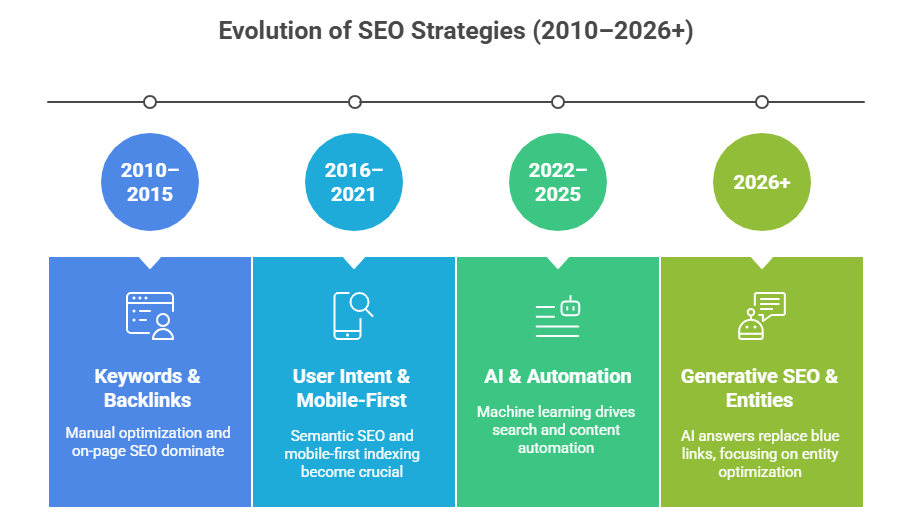
Blog site SEO utilized to indicate something: rank in Google. That's no longer enough. More individuals are turning to AI tools like ChatGPT and Perplexity to discover answers, and the blogs these platforms cite aren't constantly the ones ranking No. 1 in traditional search. They're the ones composed plainly, structured well, and backed by authentic competence.
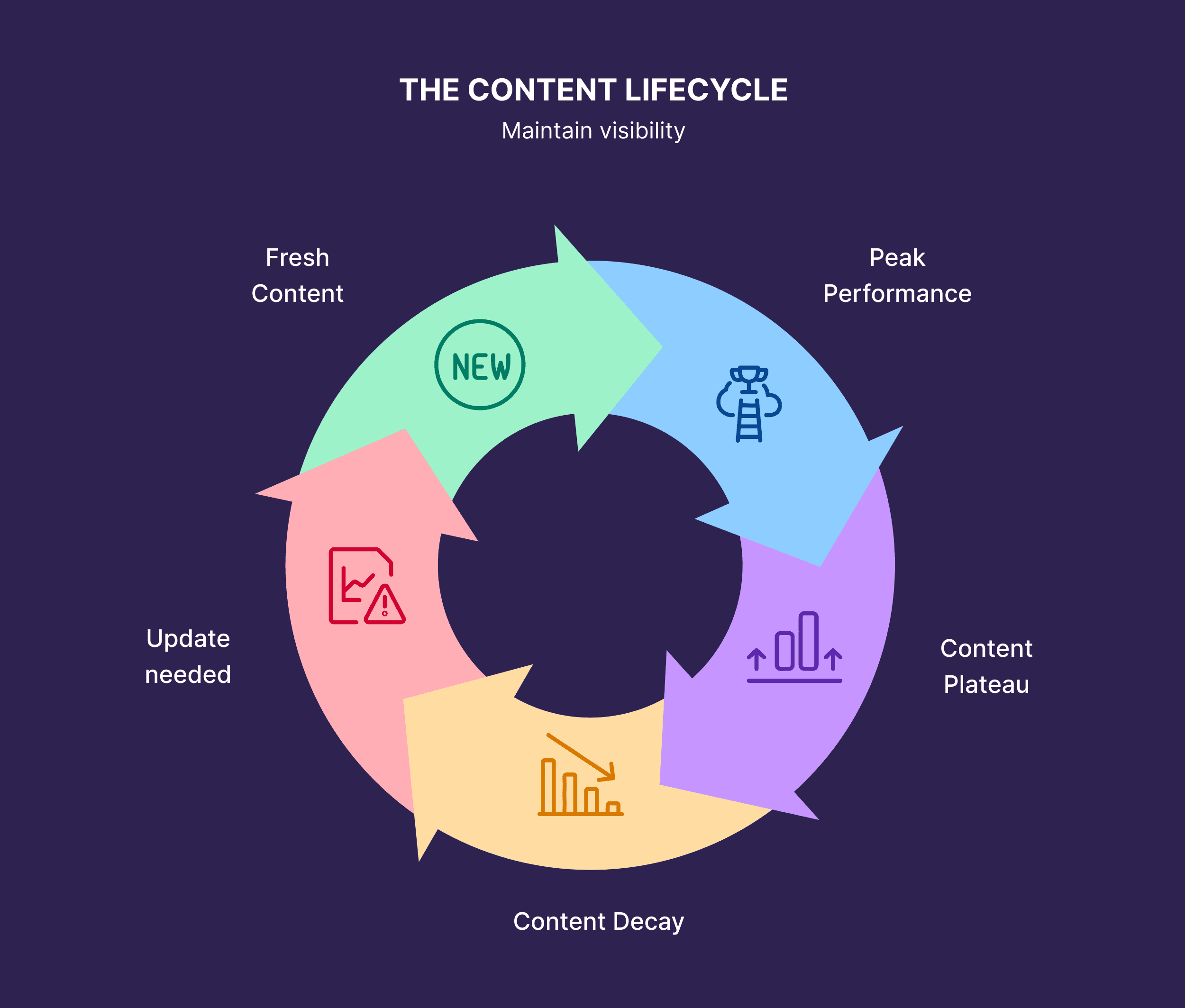
Blog site SEO is the process of developing, structuring, and optimizing blog content so it's easy to discover, understand, and trust, both in standard search results page and in AI-generated responses. It includes: Choosing the best topics and keywords Structuring posts so AI tools can summarize them Composing clearly for human readers Including authority signals that build trust Upgrading your material for precision and freshnessIn the past, a well-optimized SEO post implied targeting the ideal keywords and earning a few backlinks.
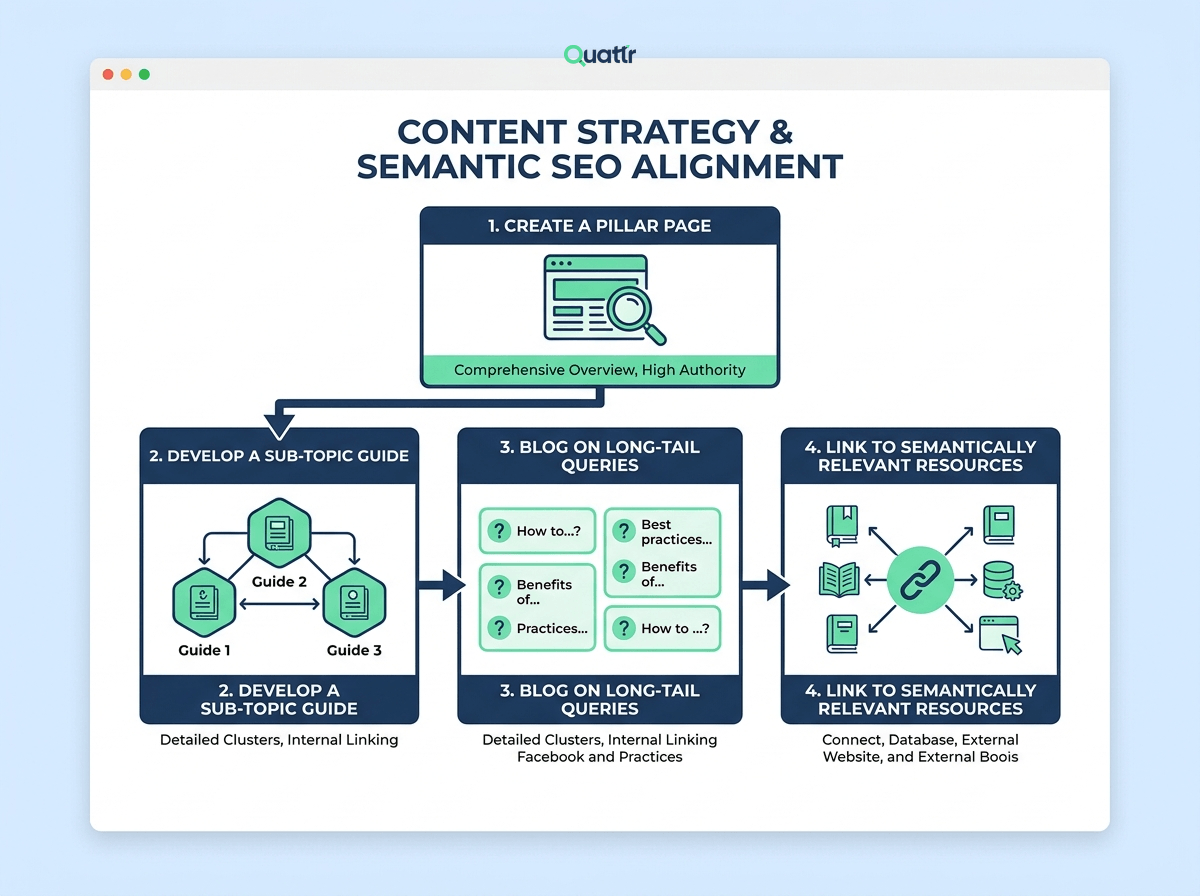
Practical Writing Strategies for Significant GrowthFortunately: these aren't separate strategies. A post written well for readers is normally a post written well for AI.That indicates focusing on these 4 things:: Show experience, know-how, authority, and reliability (E-E-A-T): Utilize a clear structure and schema so AI tools can parse and summarize your content: Lead with direct responses early, before elaborating: Develop linked material clusters, not isolated posts Blog site SEO is essential due to the fact that it turns your content into an intensifying source of organic traffic, leads, and exposure without spending for every click.
In time, a strong blog develops topical authority, which signals to both search engines and AI tools that your website is a trusted, go-to resource in your space. Business case is straightforward:: Posts that rank pull in readers who are currently looking for your subject, month after month: That search-driven traffic transforms much better than cold audiences from ads or social, since intent is currently there: Blogs that are well-structured and authoritative are more likely to be cited by AI: Appearing in search and AI results develops your brand name's credibility and trust: Unlike paid channels, natural traffic does not stop the minute your budget doesThe results compound over time.
Perfecting Blog Performance with Semantic Tactics
According to AirOps research study analyzing 12,000 URLs, pages with appropriately sequenced headings (a single H1 followed by H2s and H3s in order) are 2.8 x most likely to be pointed out in ChatGPT than pages with disorganized heading structures. The following ideas cover the complete blogging workflow, but you don't need to apply all of them at the same time.
The best blog site topics for SEO target search demand. You can reveal these with our complimentary keyword research tool. Enter your primary keyword or topic and click "." If you run a health and physical fitness blog site, you could search for "exercise."You'll then get a list of keywords about the subject, in addition to metrics for how popular and competitive they are.
High-volume, low-difficulty keywords are the best place to start. Go through these and build a list of keywords that are pertinent to your website.
Focus on 3 things: What questions get responded to well What sources get mentioned most plainly What formats the reactions takeThis tells you whether a subject has enough compound for AI tools, and where the spaces are that you could fill out. If the AI answer is thin, misses an angle, or relies on weak sources, you have actually discovered a chance.
And it uses the exact same way whether they're browsing Google or prompting ChatGPT.There are four primary types of search intent:: The reader desires to learn something (e.g., "what is anchor text"): The reader is trying to find a particular page or site (e.g., "Semrush login"): The reader is weighing options (e.g., "finest SEO tools for beginners"): The reader is ready to act (e.g., "Semrush pricing")Blog site posts rank well for educational and business questions.
Optimizing Article Performance with Semantic Tactics
They don't have follow-up questions a blog post might assist respond to. These searchers desire recommendations, comparisons, and descriptions that a blog post handles much better than a product page does.