The Impact of Semantic Relevance in SEO
A question map is a list of the particular questions your target reader is most likely to inquire about a subject. It becomes your heading outline before you compose, so your post's structure is driven by actual reader requires instead of uncertainty. For instance, if somebody is trying to find an injury attorney, numerous questions turn up as they decide whether they need a lawyer.
If you're not addressing what they ask Google or ChatGPT, your rivals will be the ones who show up instead. To find these questions, attempt browsing for your main keyword on Google and examining the "People Likewise Ask (PAA)" area. You can also prompt an AI tool and see what follow-up concerns it asks or what reasoning steps it takes.
Both of these techniques will give you a handful of associated questions people may have. If you want a more in-depth list, inspect out the "" report in Semrush Keyword Magic Tool. Enter your primary topic and segment the keyword list to questions only. Make a list of all the appropriate questions for your audience.
Proven Strategies for Higher Entity-Based Reach
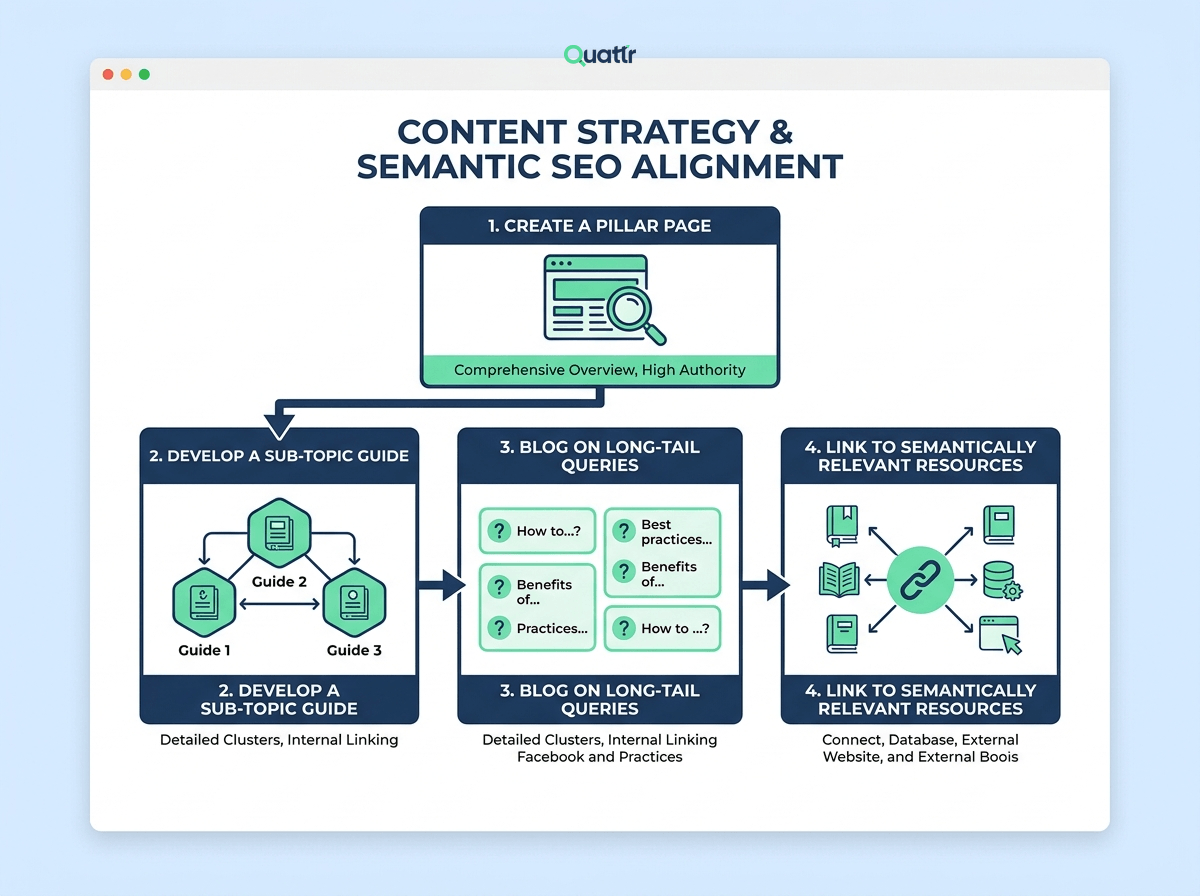
As soon as you have your list, map each concern to a role in your post's structure. Main concerns are those with the greatest search volume or the broadest relevance. They end up being H2 headings. Related follow-up questions become H3 headings underneath them or get organized into a frequently asked question section at the end.
Before you write a word, you currently know your heading structure, the order in which subjects need to appear, and where a frequently asked question section includes worth. A clear material structure does 3 things at the same time: it helps readers skim, helps online search engine index particular passages, and assists AI tools draw out clean, quotable answers from your post.
It's likewise what online search engine and AI tools rely on to draw out particular passages. Google uses passage-based ranking to show direct answers in search engine result, and AI platforms utilize the same structural hints (clear headings, self-contained areas) to pull quotable material into their actions. Here's what that appears like in practice.
Heading tags help online search engine and AI systems understand your material's structure and which areas to focus on. They likewise keep distinct ideas in their own areas, which makes each area individually extractable by AI tools. Long posts gain from a table of contents at the top, which lets readers jump directly to the area that addresses their question.
Practical Article Optimization Tips for Modern AlgorithmsHow to Leverage Entities for Higher Search Visibility
It's now likewise what gets material mentioned by AI. A direct opening answer gives AI tools something clean to extract, and lets human readers comprehend the area while skimming, without requiring context from what came previously.
AI tools are constructed to discover the most direct, self-contained response to a question. Posts that bury the response after 3 paragraphs of background are more difficult to extract from, so they're less likely to be cited. The fix is easy: compose your heading, then address it in the really next sentence.
Trust signals inform search engines and AI tools that your material is reliable, precise, and worth pointing out. Google's E-E-A-T structure (Experience, Know-how, Authoritativeness, and Credibility) is the benchmark for both. The very same signals that earn search rankings now make AI citations: genuine proficiency, reputable sourcing, and noticeable authorship. In practice, that means:: Screenshots, walkthroughs, and genuine examples signal that the author has really done what they're explaining, not simply summarized other posts.
This develops credibility with readers and offers AI tools a chain of attribution to follow.: An author bio that describes who wrote the post and why they're qualified to write it includes a layer of trust that generic, unattributed content can't reproduce. For example, the material you see on our blog is created by SEOs and online marketers with years of experience in the field.
His author bio and body of work reflect that proficiency. If your content is challenging to follow, readers leave early, which indicates to browse engines that your post isn't providing what they're looking for. AI tools have the exact same problem. Content that's thick, meandering, or improperly structured is harder to extract from and less likely to be mentioned.
Steps to Increasing Entity Depth in Web Content
Compose for the least-experienced reader in your audience.: "Semrush found that ..." is cleaner and more direct than "It was discovered by Semrush that ..."After you write your article, Semrush's SEO Writing Assistant can inspect its readability score and SEO performance, flagging excessively long sentences, tone inconsistencies, and keyword usage in one view.